AI that works for your business — without exposing your data
Agentics Growth Lab builds custom AI assistants, workflows, and intelligence tools for financial institutions, regulated enterprises, local businesses, and mission-driven organizations. Deployed in days, not months.
WHO WE SERVE
FLAGSHIP PRODUCT
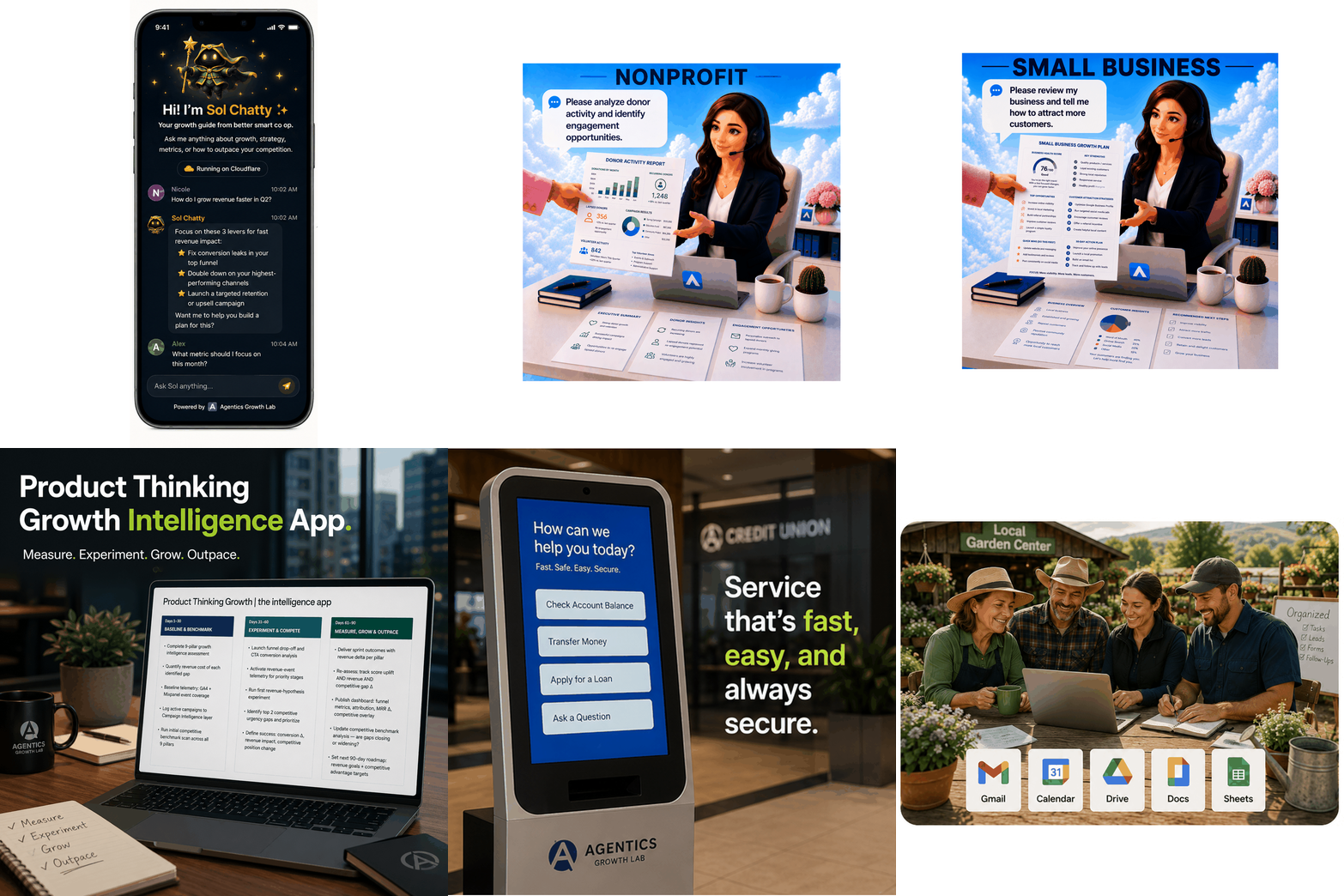
Meet your AI agent team
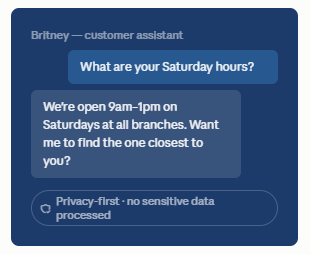
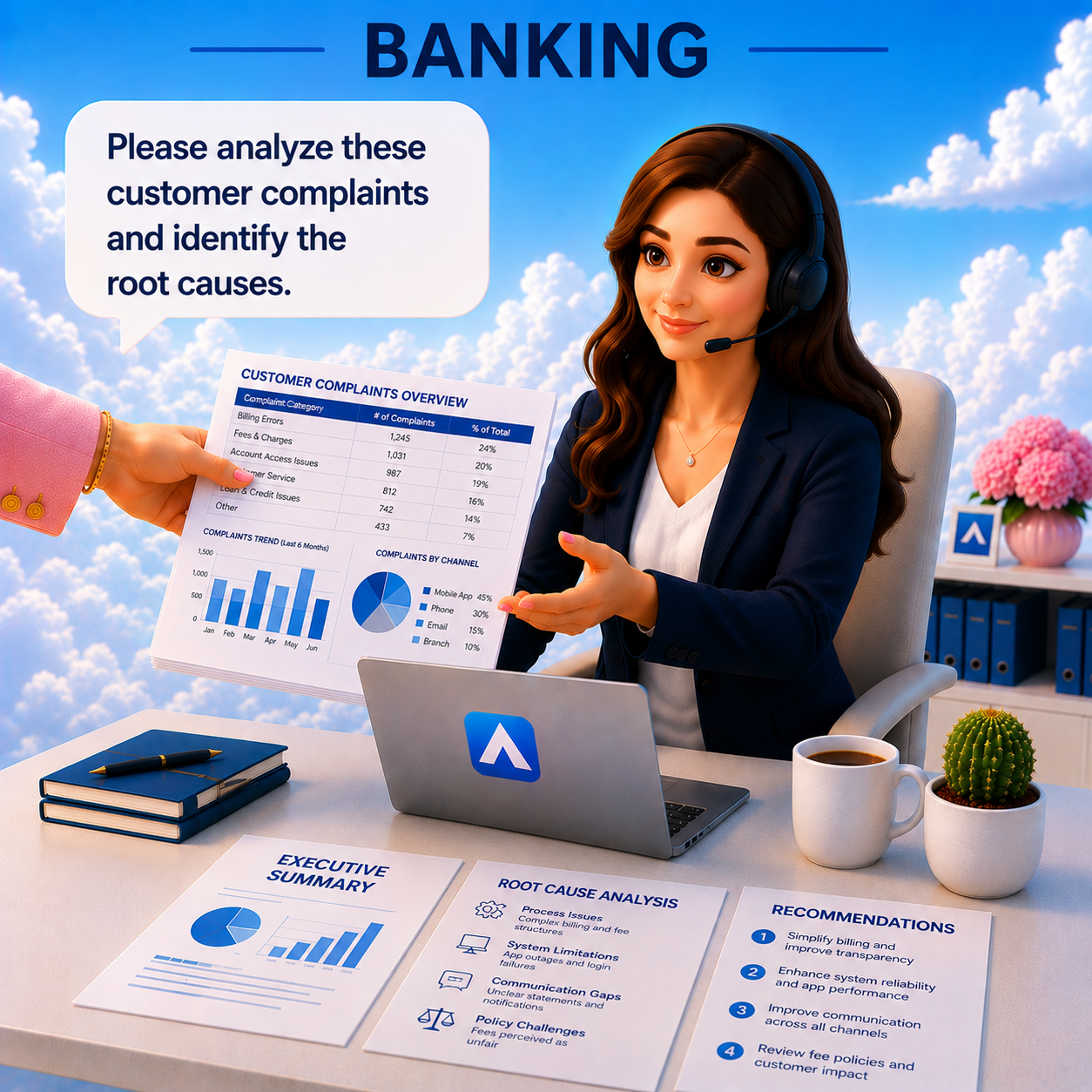
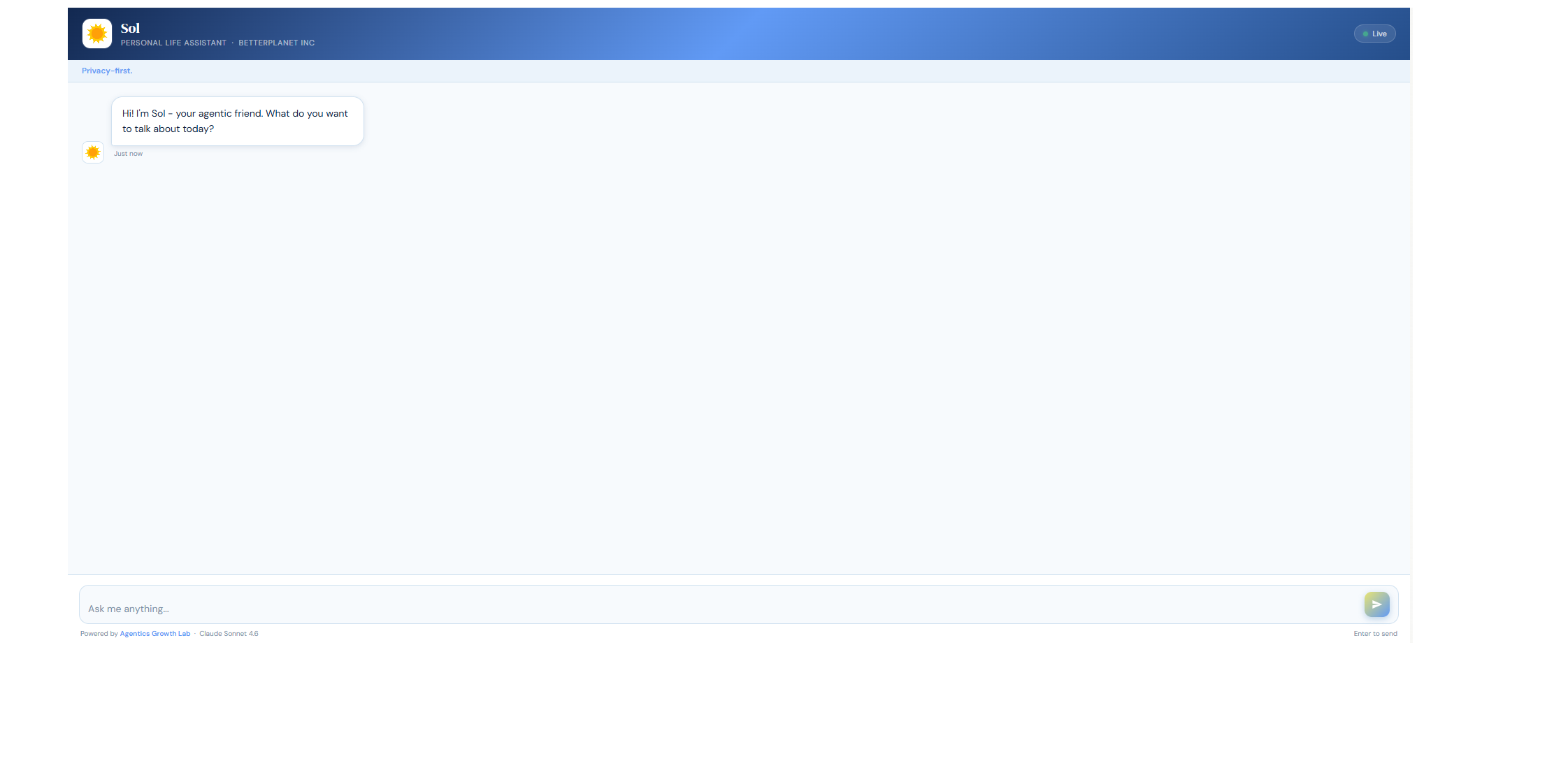
Britney handles customer questions.
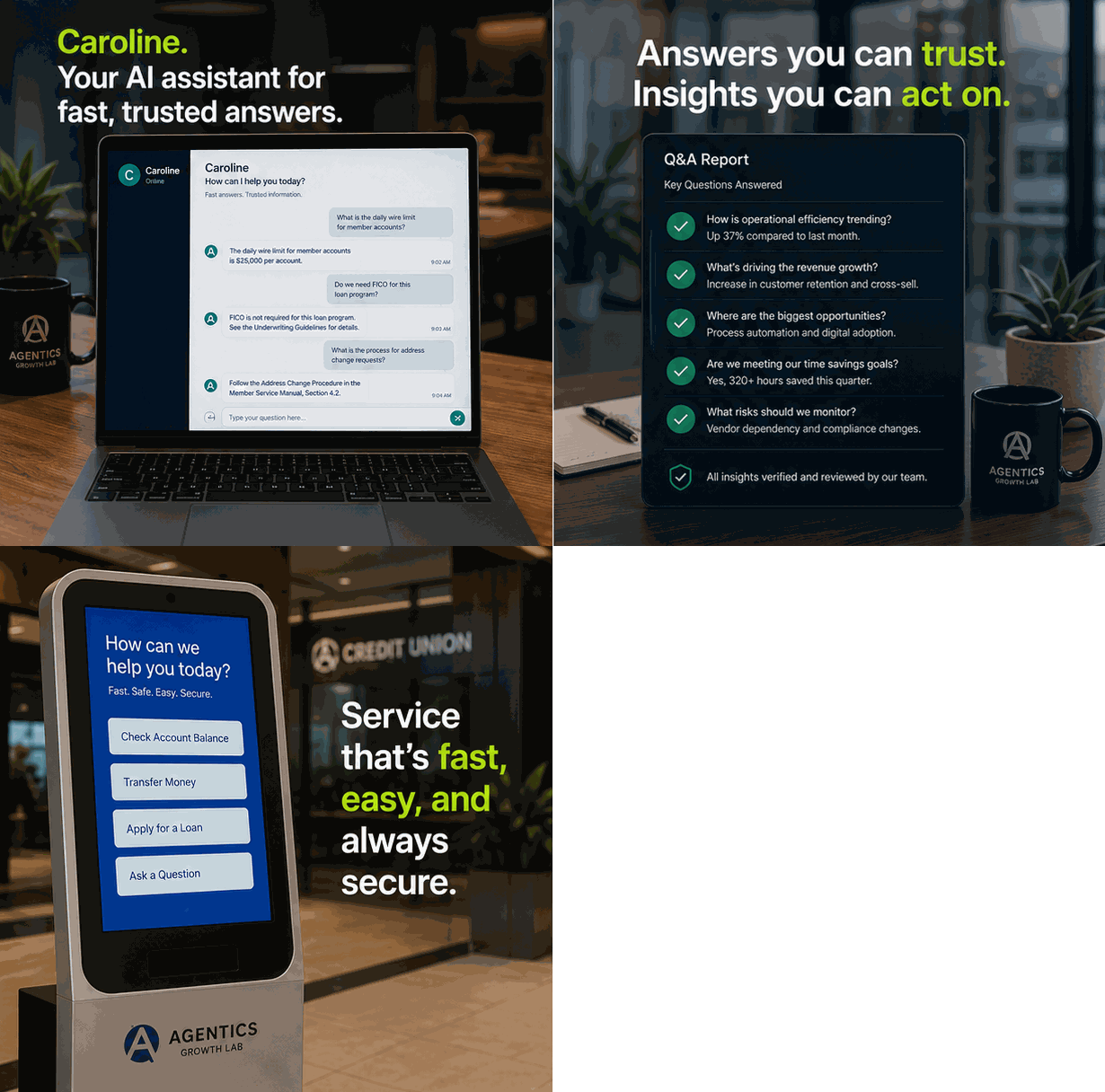
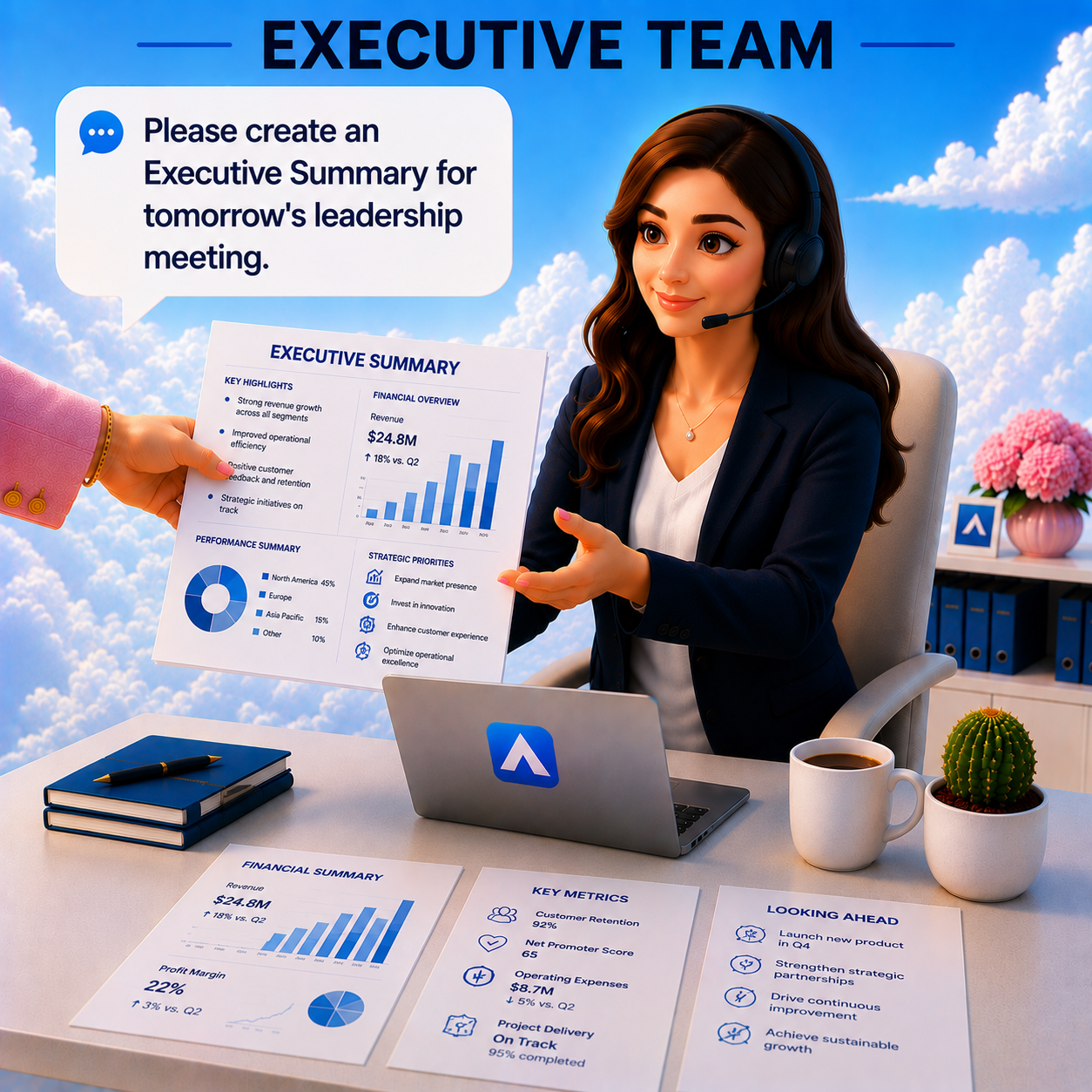
Caroline supports your team.
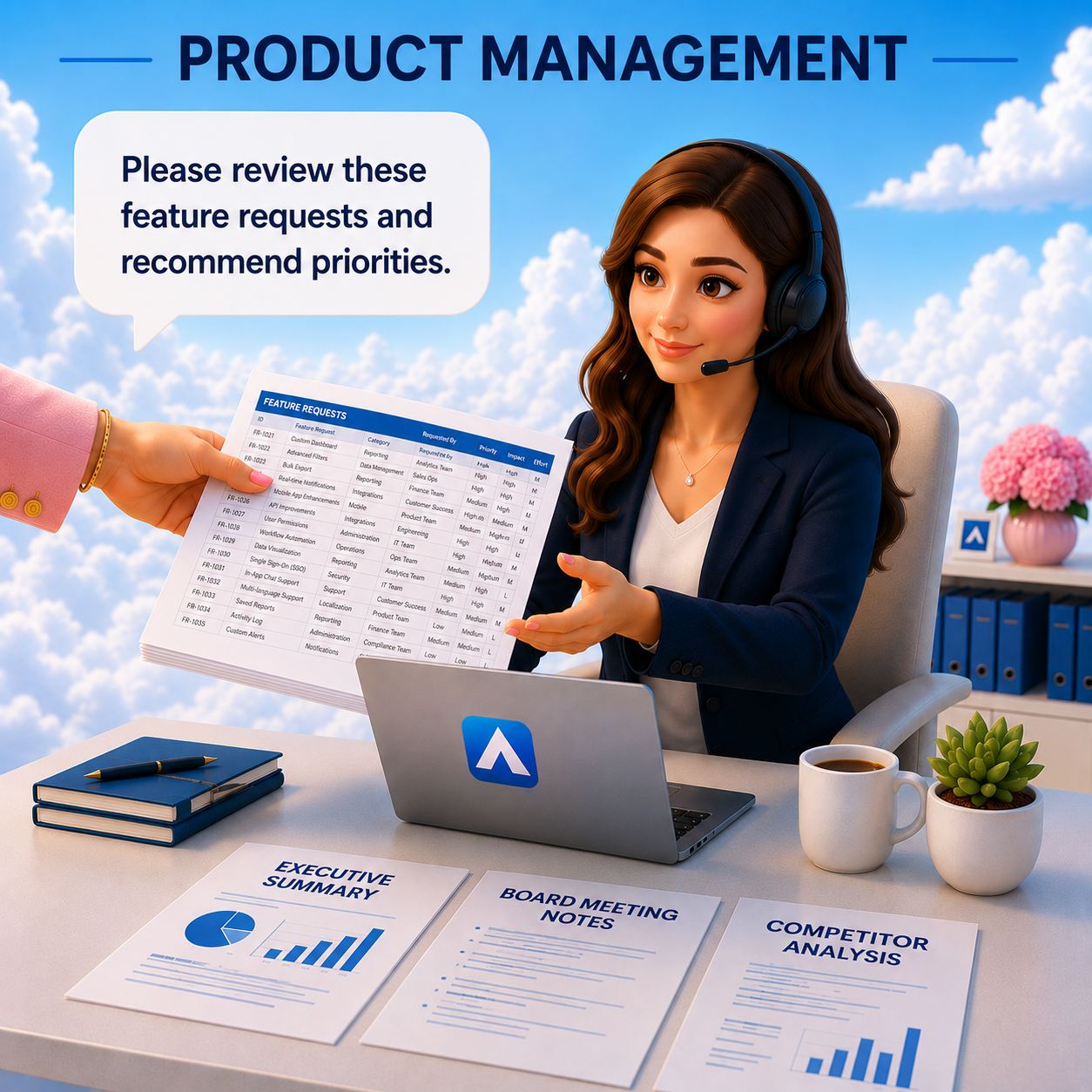
Scout catches issues before customers do. Each agent is grounded on your approved content — nothing else.
WHAT WE OFFER - digital products that free people to focus on growth.
-
![]()
CUSTOM AGENTIC WORKFLOWS
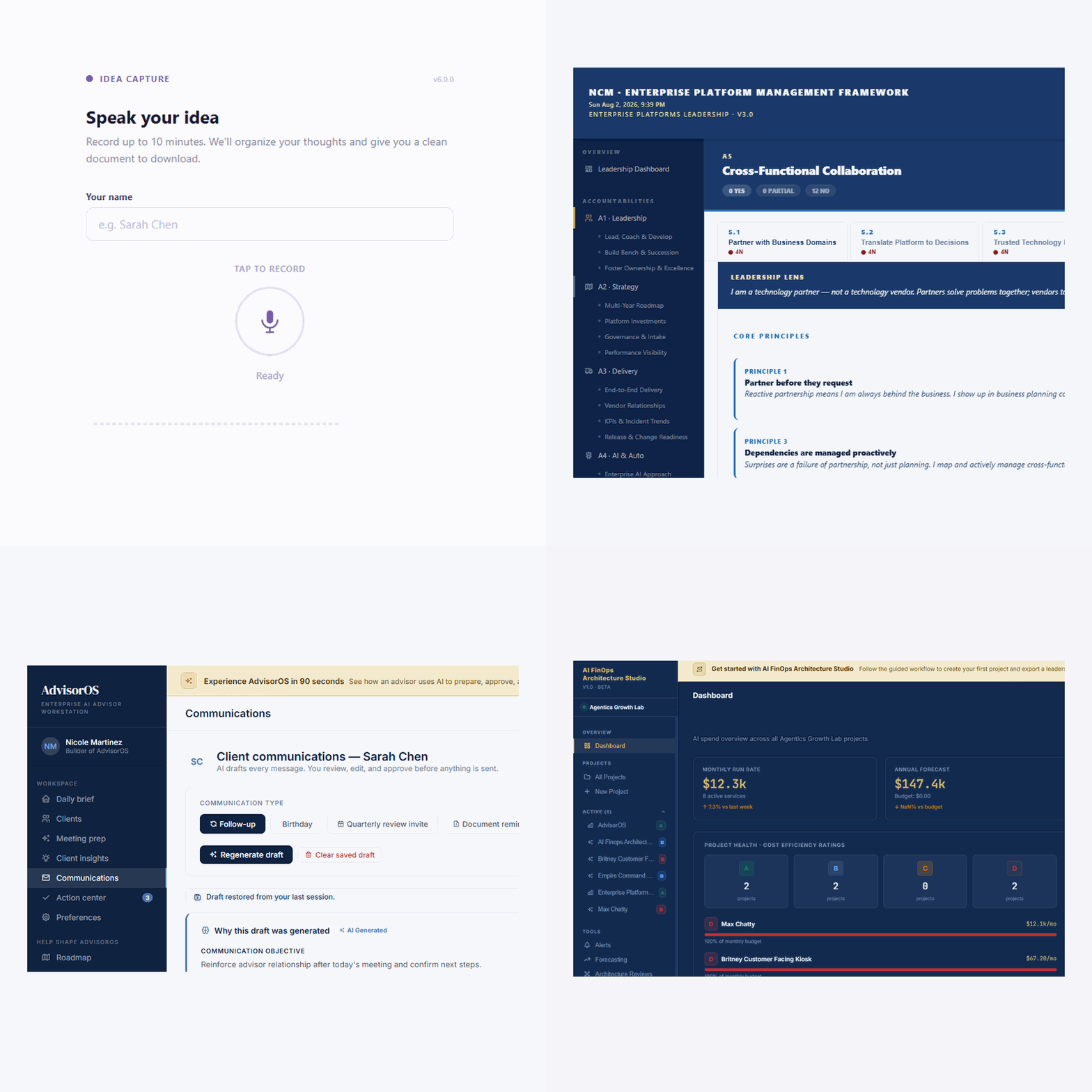
Production systems that govern decisions, manage AI spend, and create structured outcomes at scale.
-
![]()
AI AGENTS
Provide customers and employees with fast, trusted answers using approved organizational knowledge.
-
![]()
AI AGENTS + INTELLIGENT WORKFLOWS
Big business outcomes for small business cost. AI that proactively takes action to complete work —not just answer questions.
-
![]()
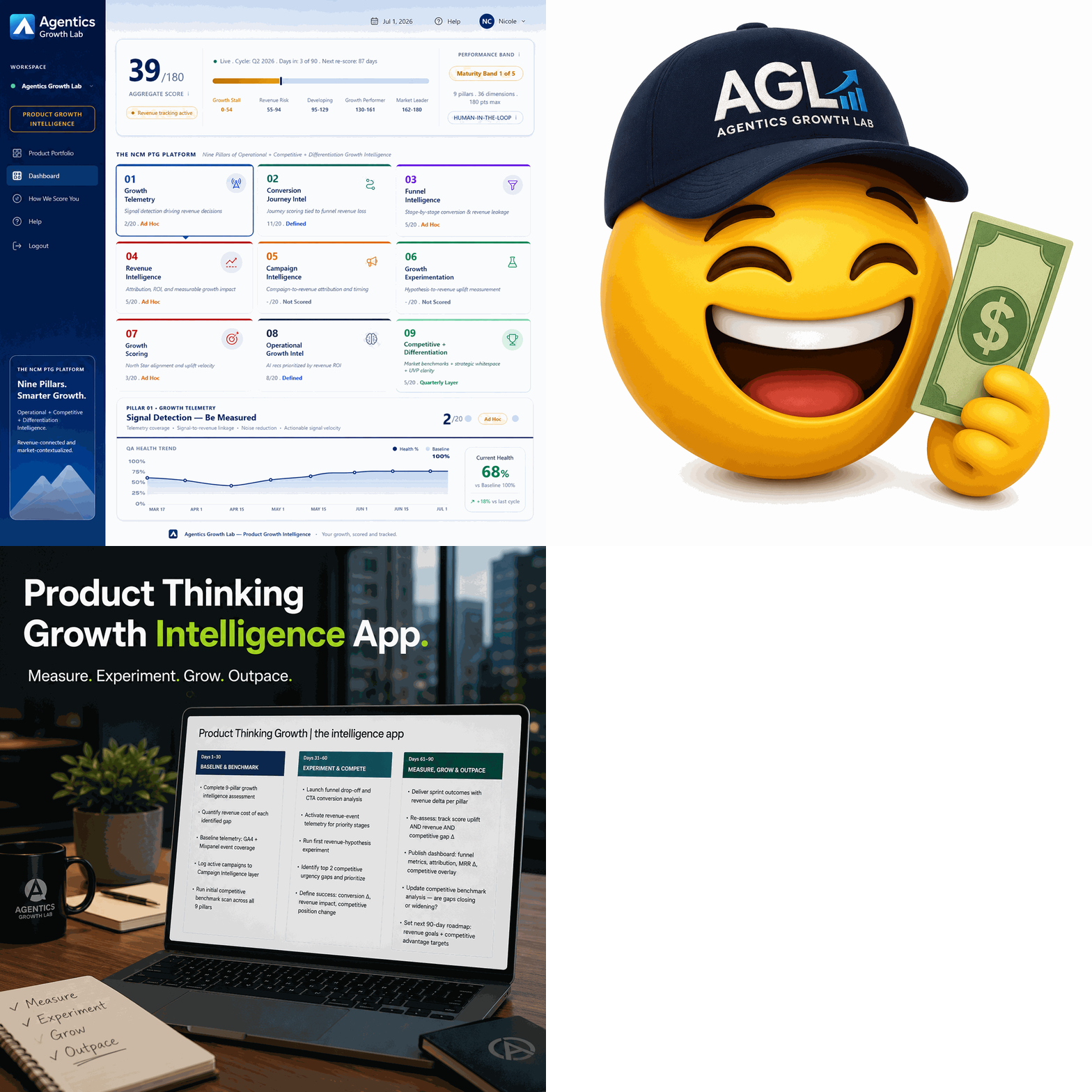
GROWTH INTELLIGENCE
Uses probabilistic AI to identify opportunities, prioritize actions, and continuously improve business outcomes.
-
![]()
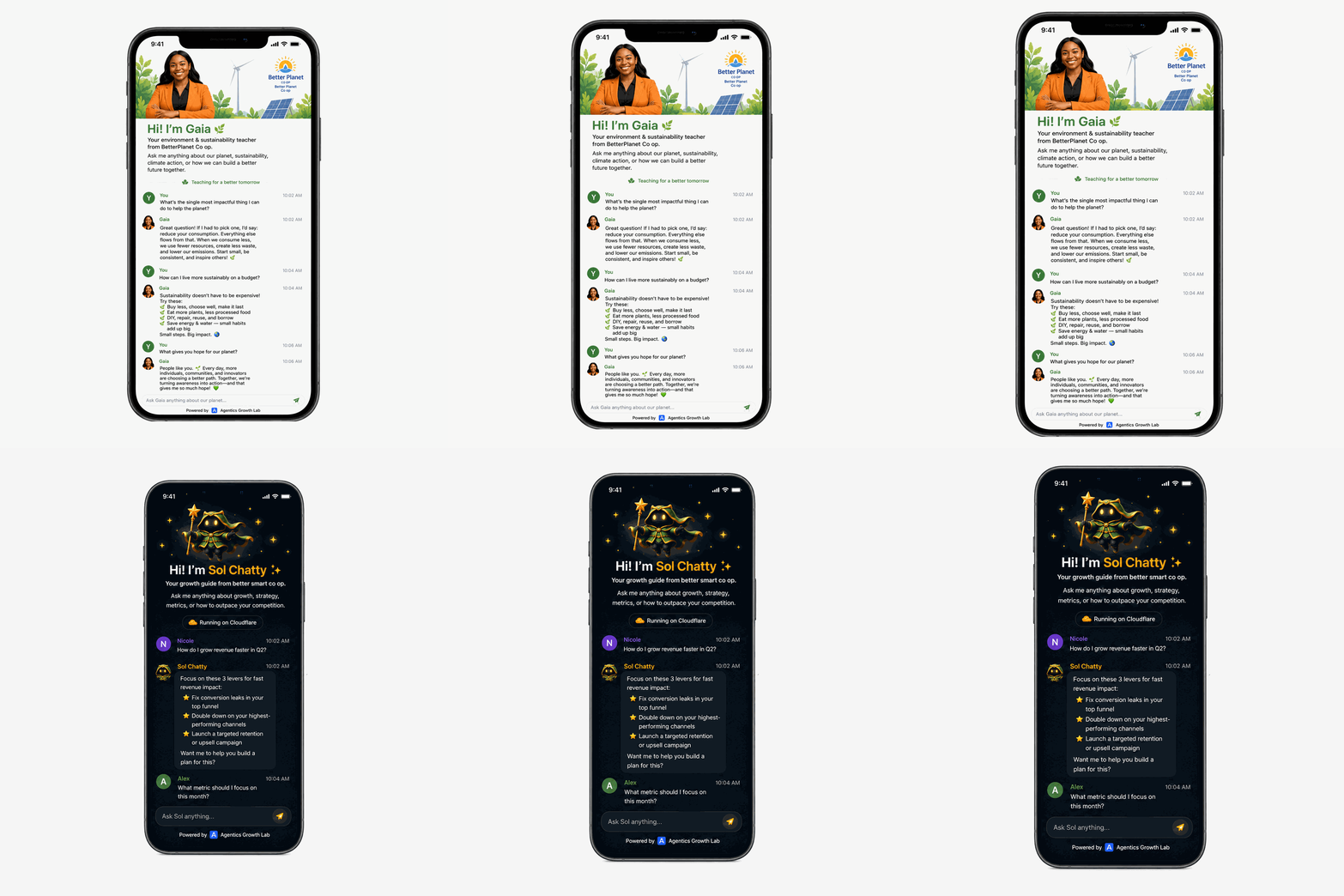
AI KNOWLEDGE AGENTS
Provide your community a 24/7 way to engage with your thought leadership. Chat that’s grounded in your guidance.
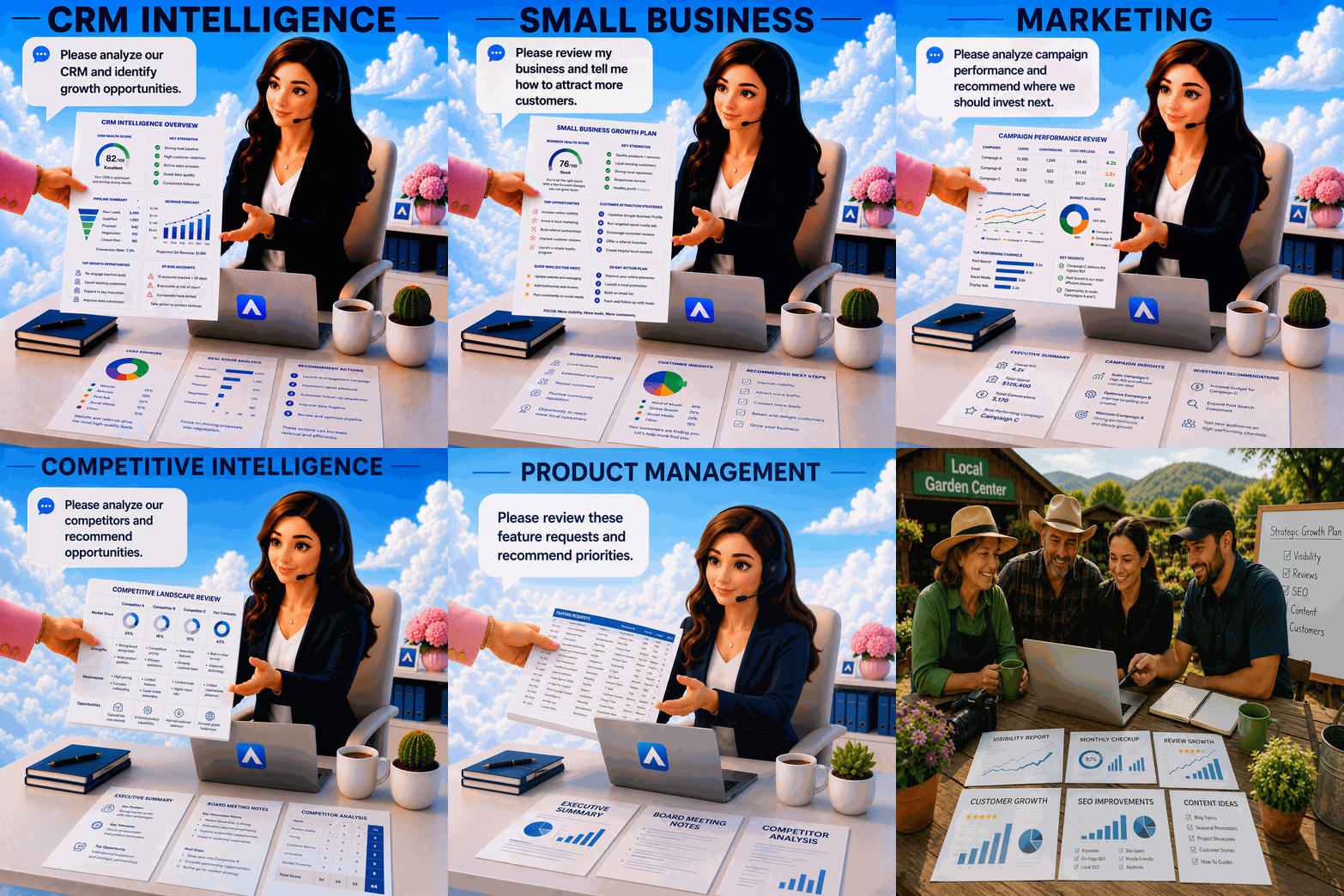
Ready-to-Deploy Solutions
-
![]()
REDUCE CUSTOMER FRICTION
Help customers find answers, complete common tasks, and get support 24/7
-
![]()
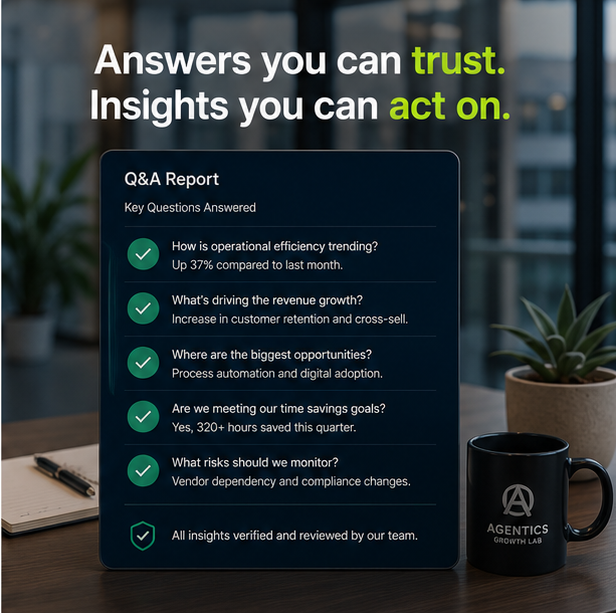
REDUCE INTERNAL FRICTION
Provide employees with fast, trusted answers using approved organizational knowledge.
-
![]()
CATCH ISSUES BEFORE CUSTOMERS DO
Identify trust, quality, and customer experience gaps before they impact growth.
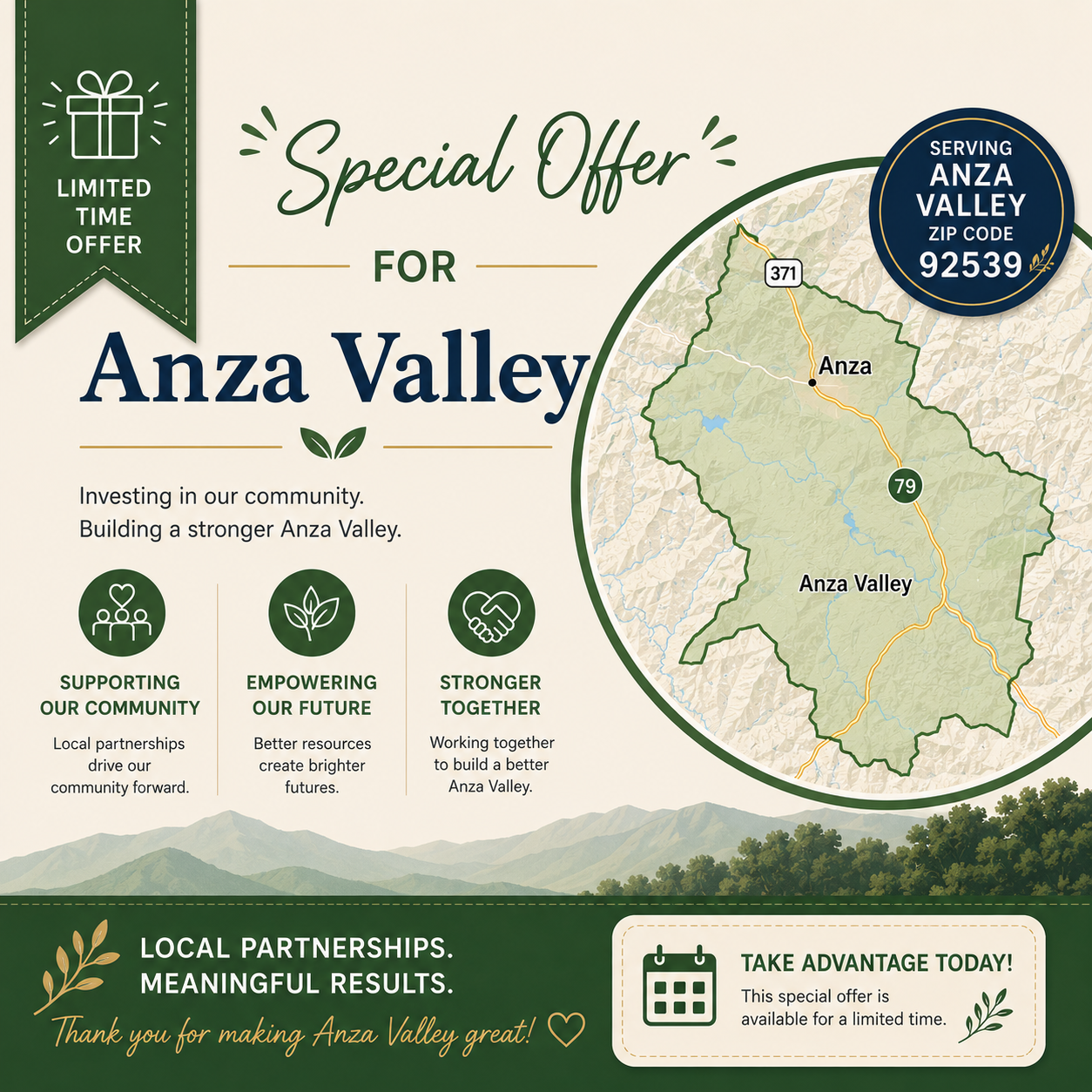
Imagine your own AI Workforce
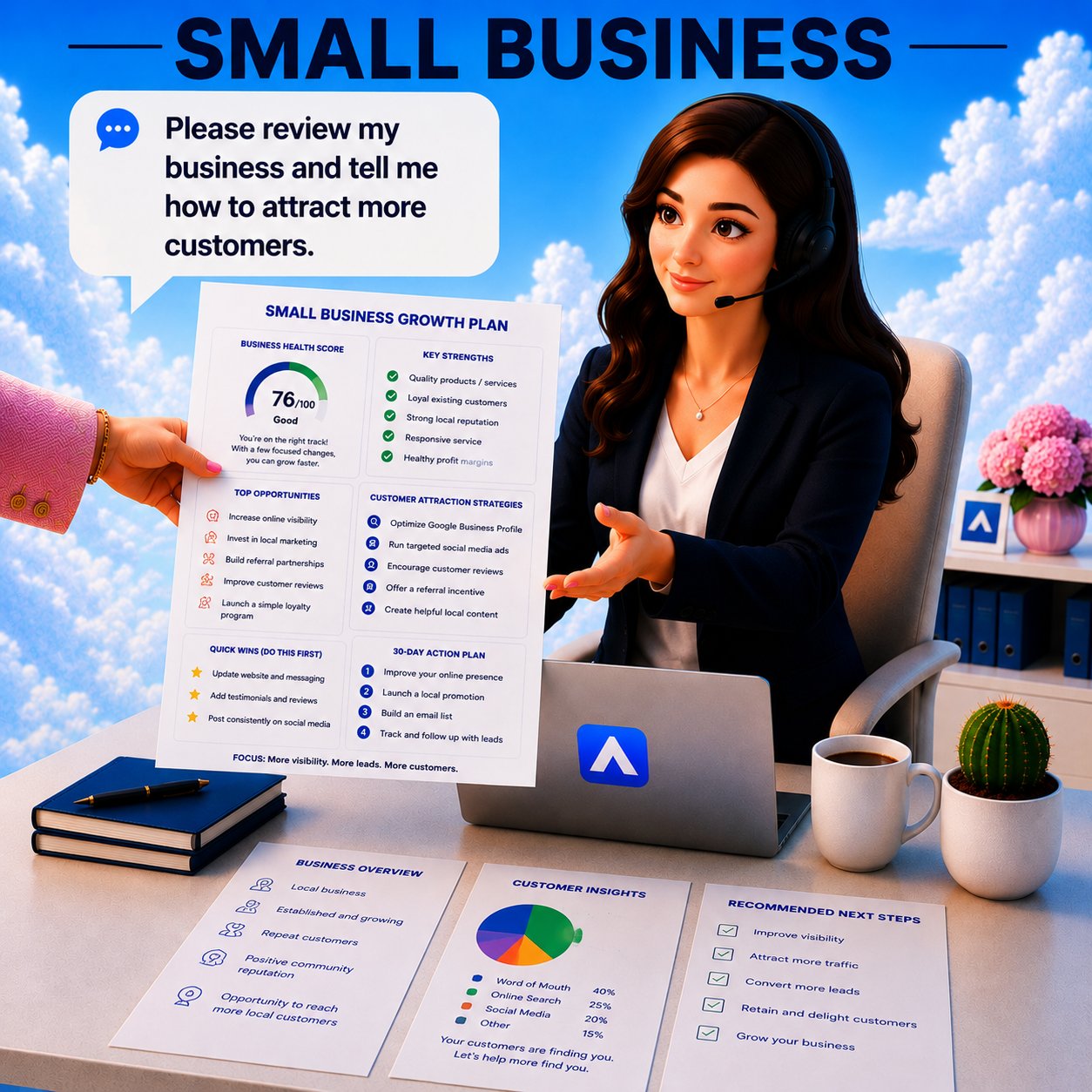
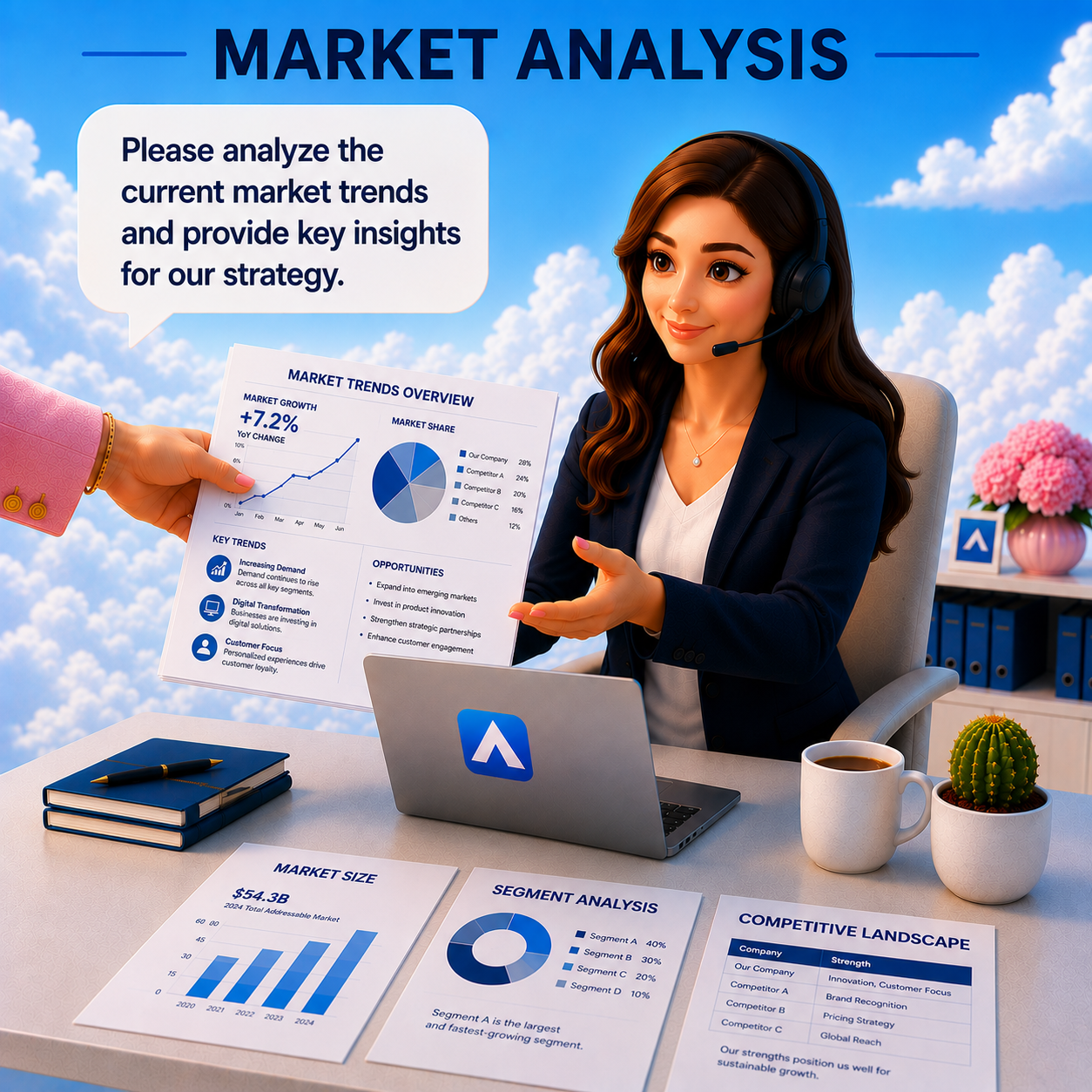
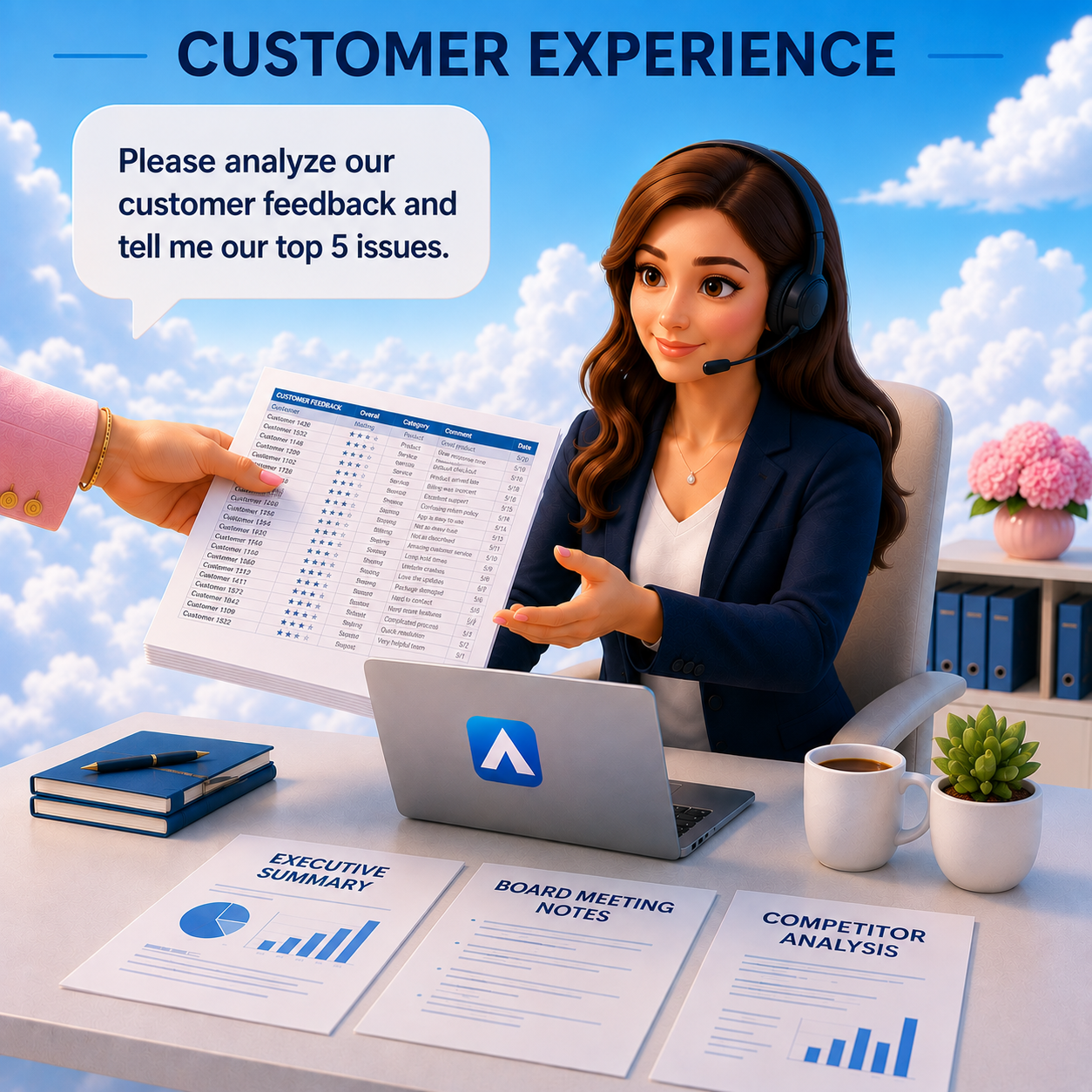
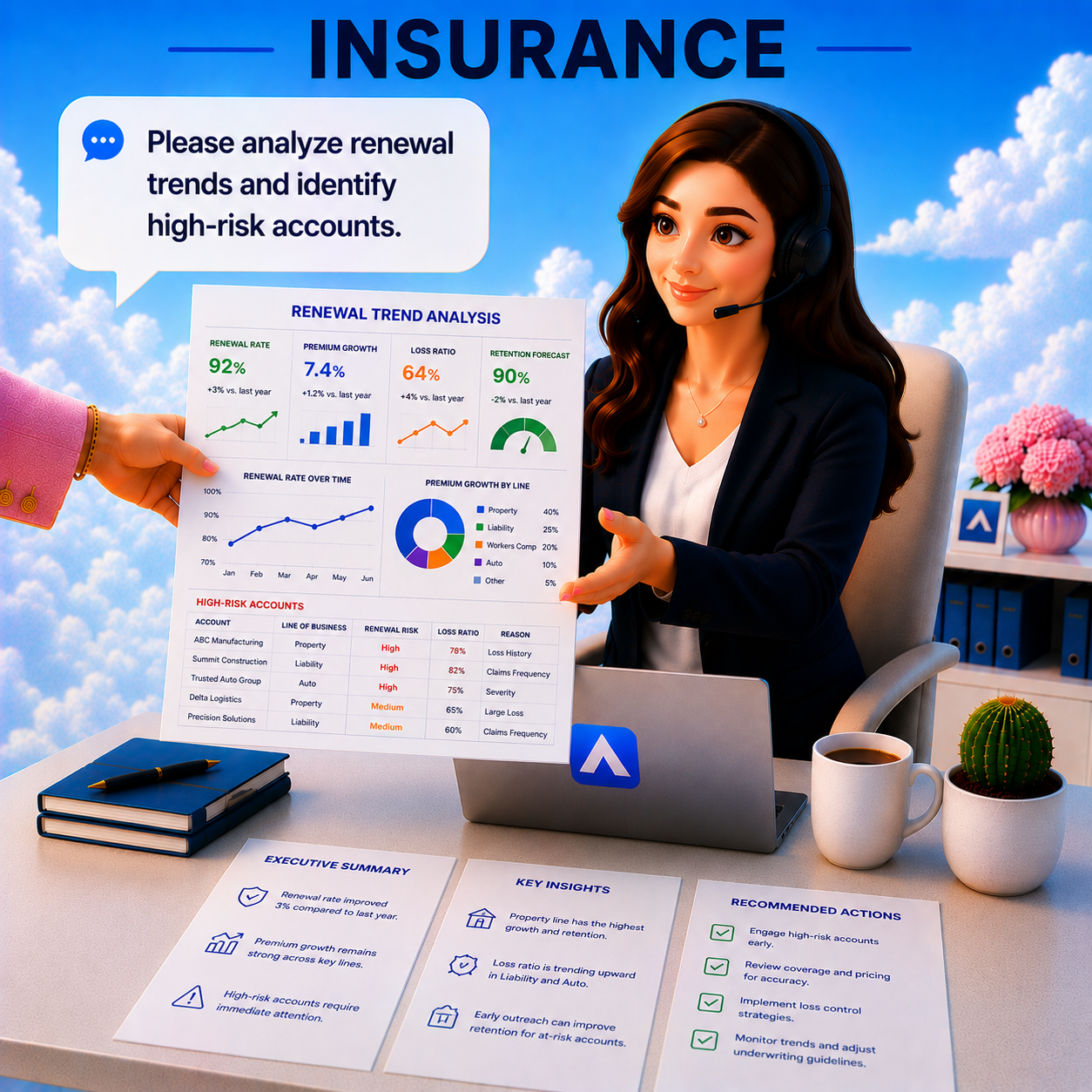
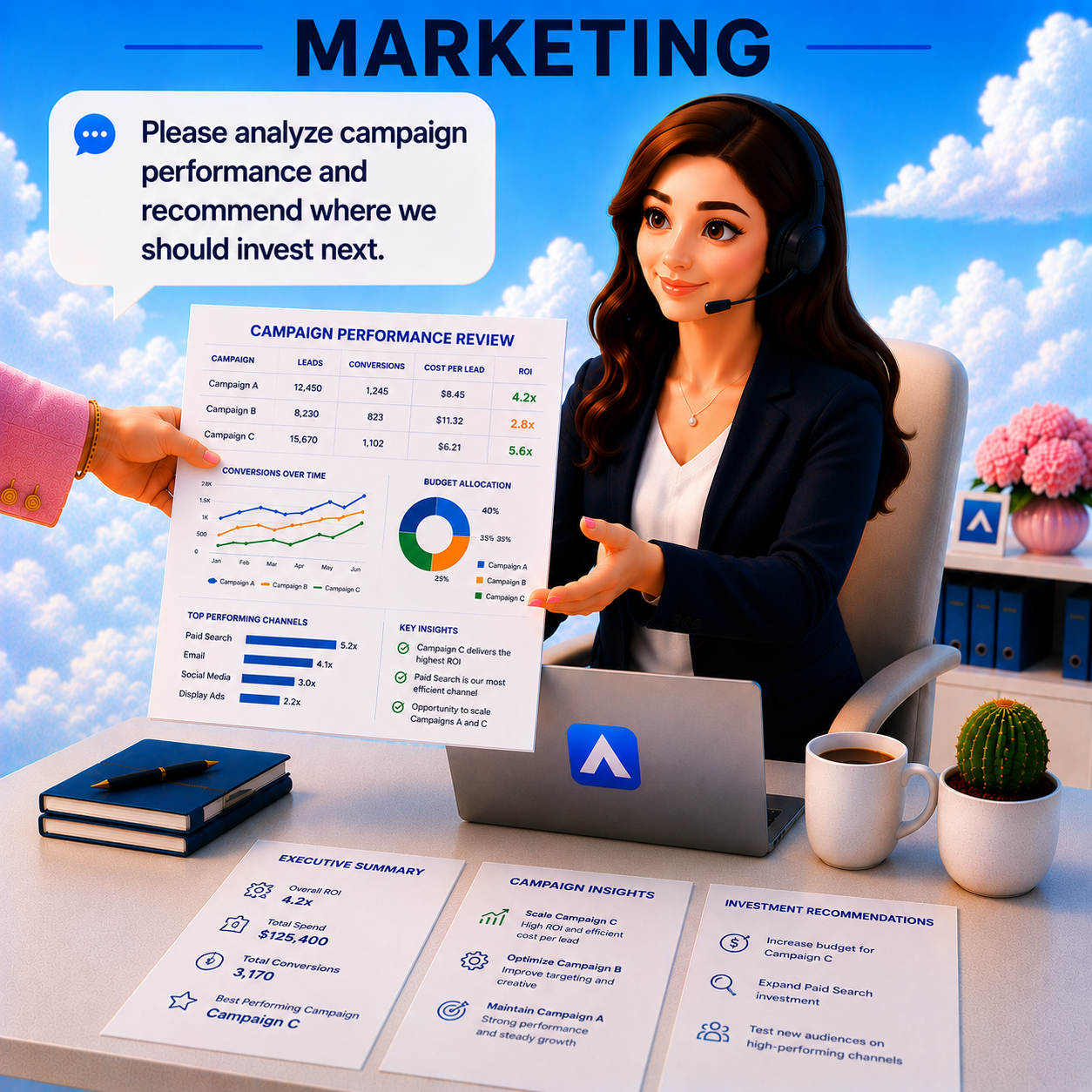
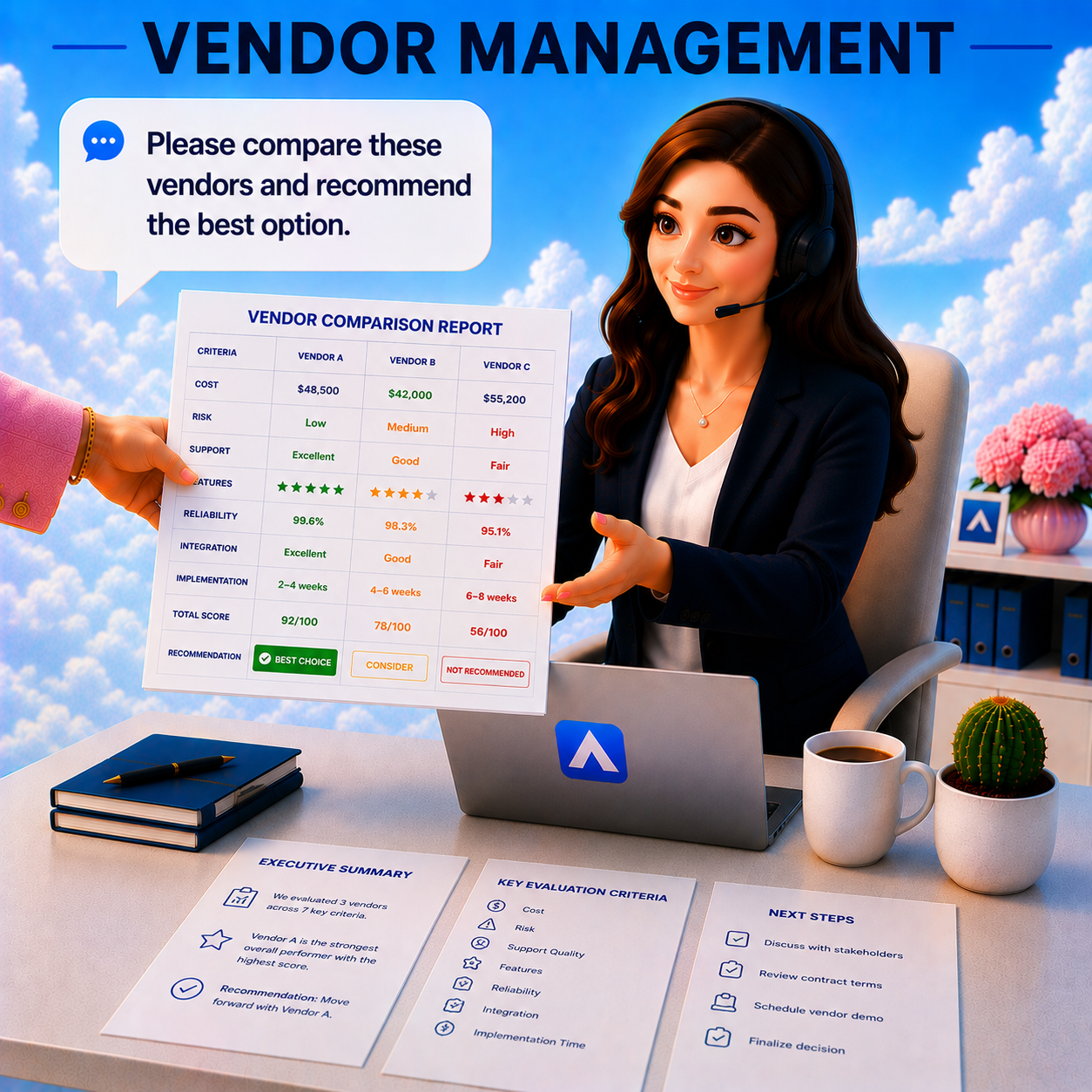
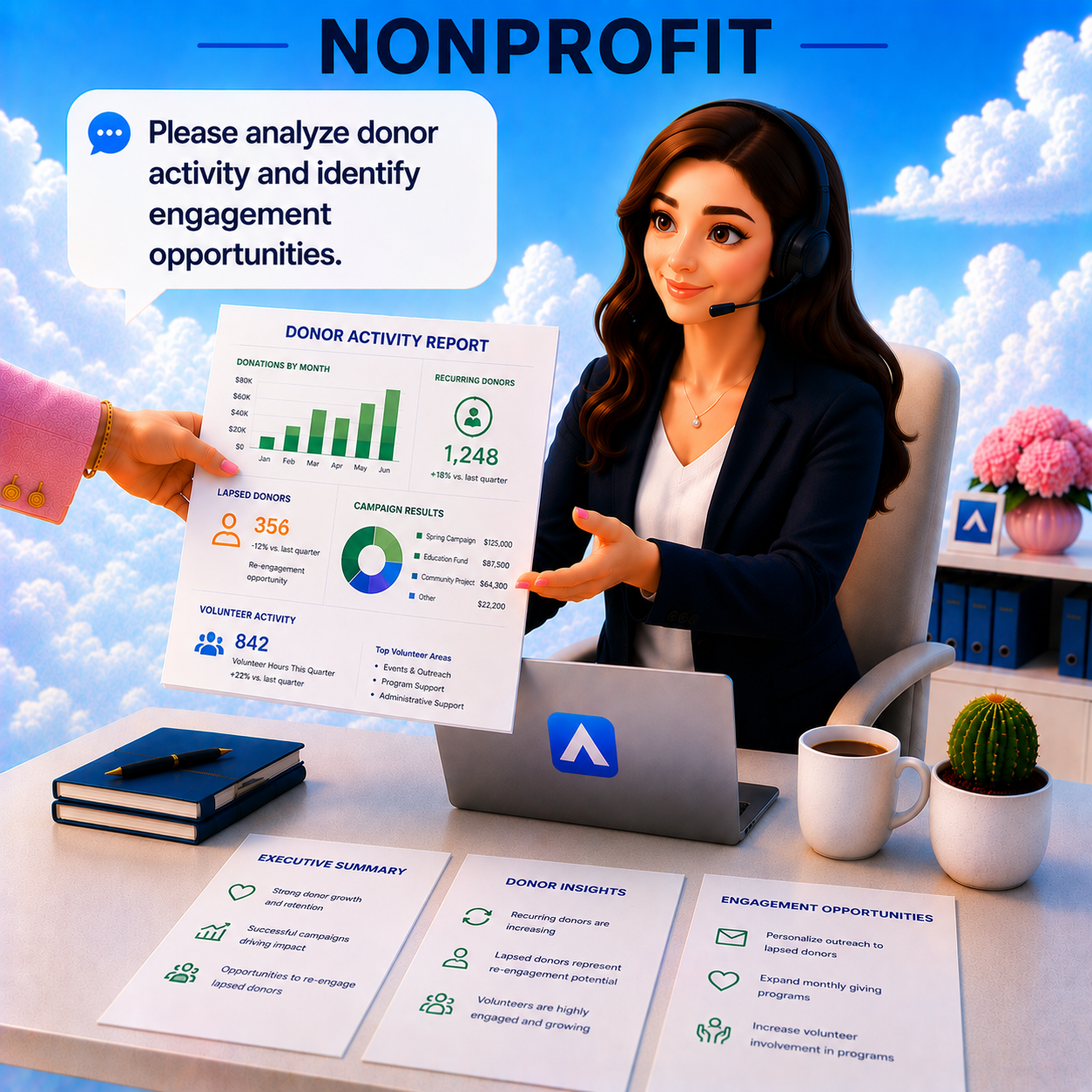
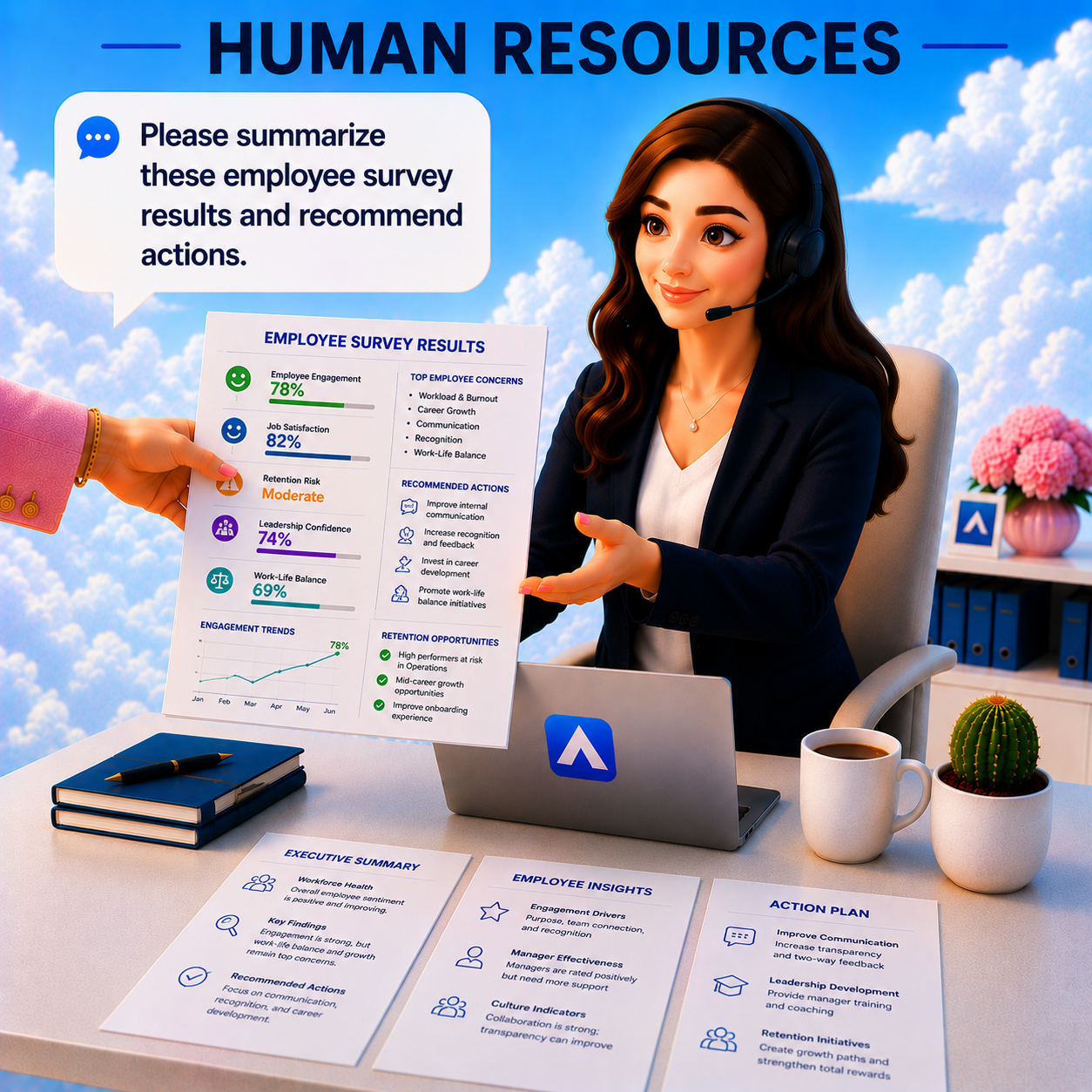
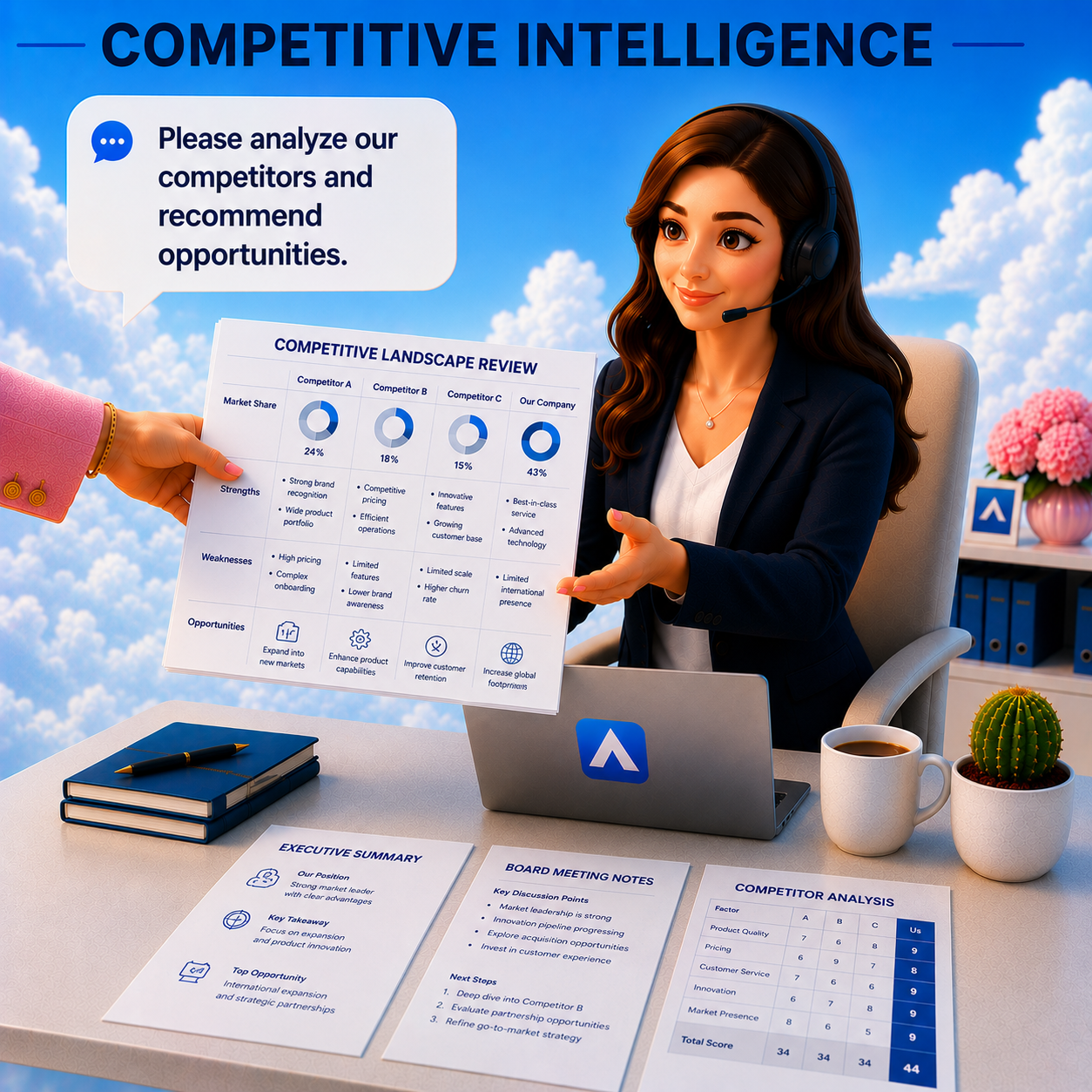
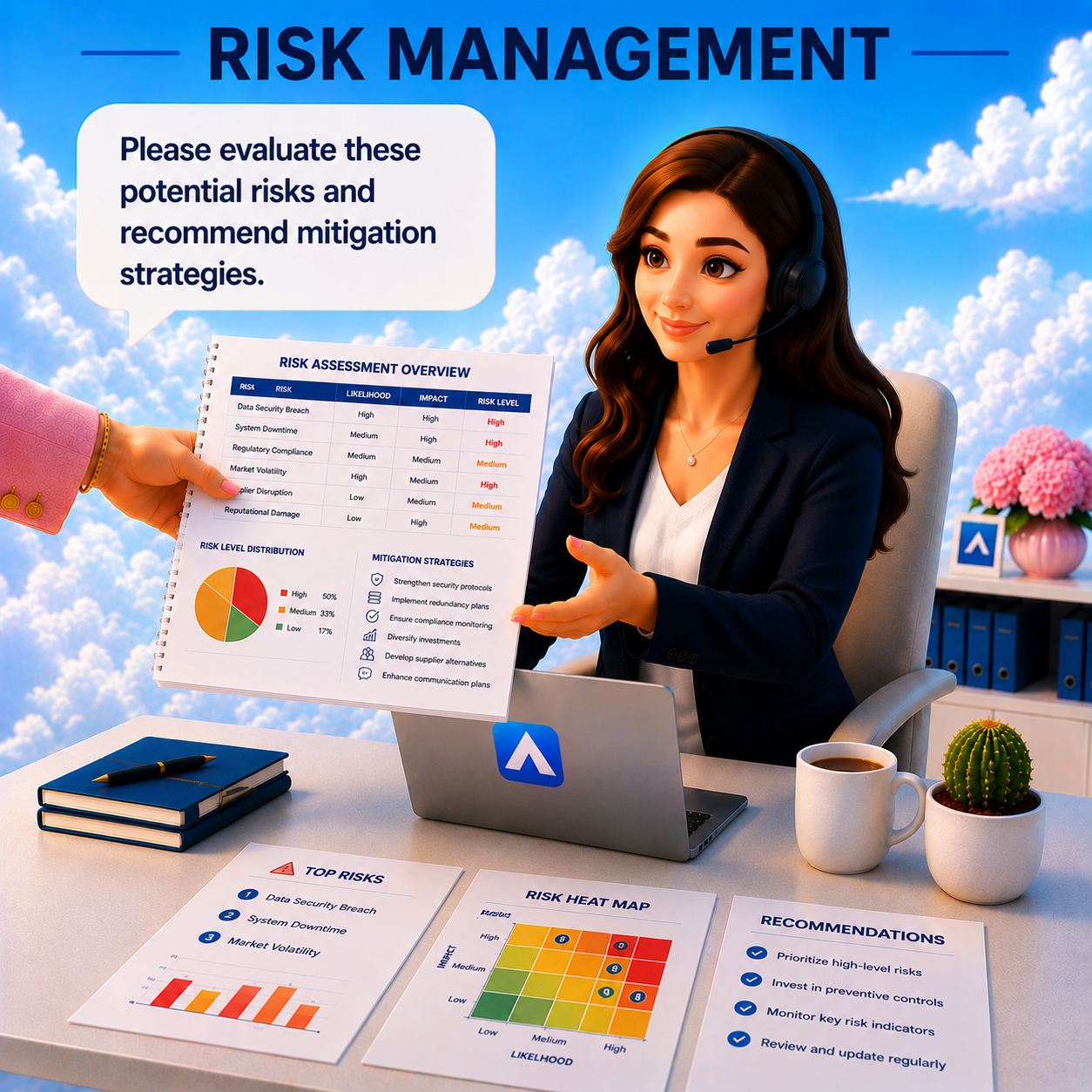
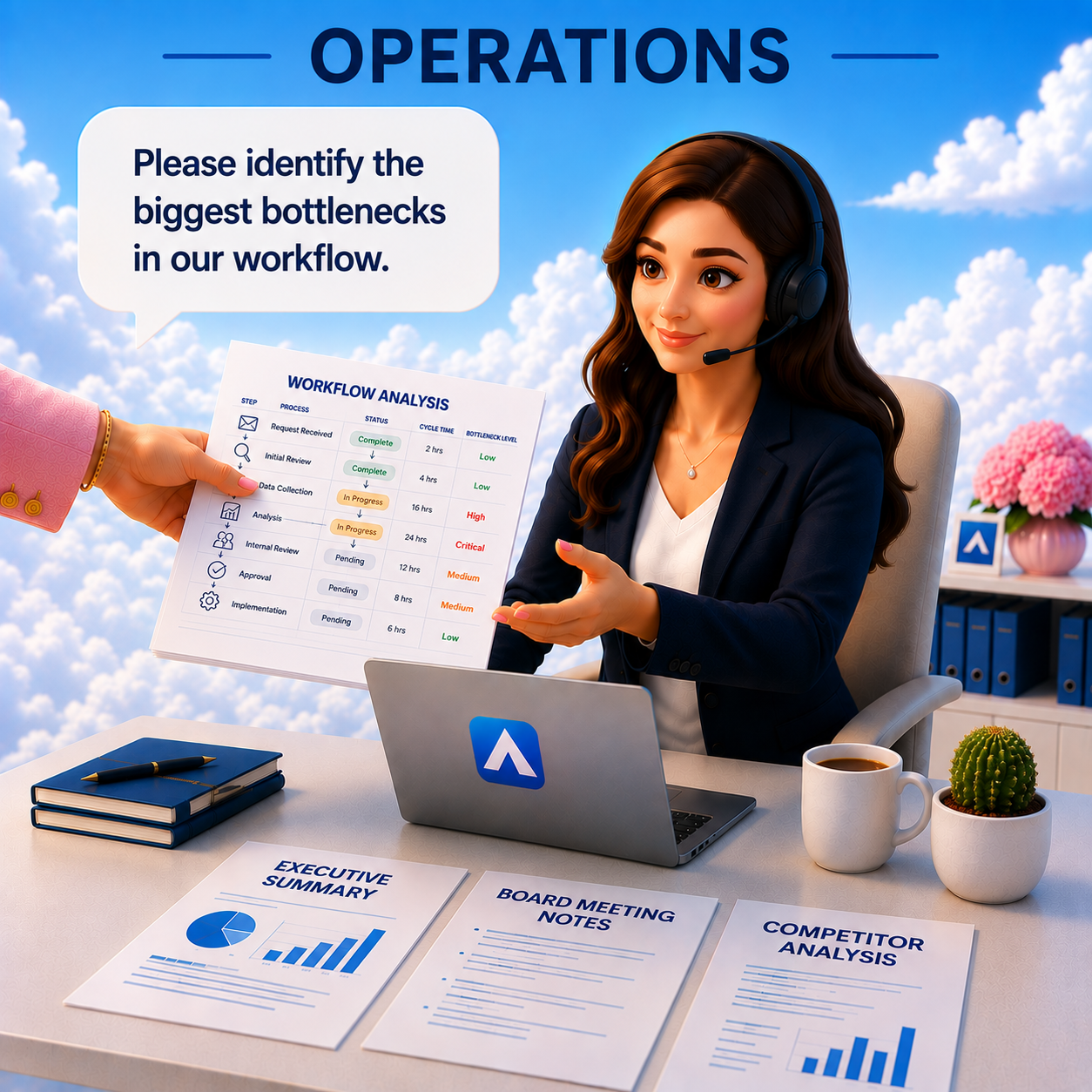


Product Thinking Growth Intelligence©
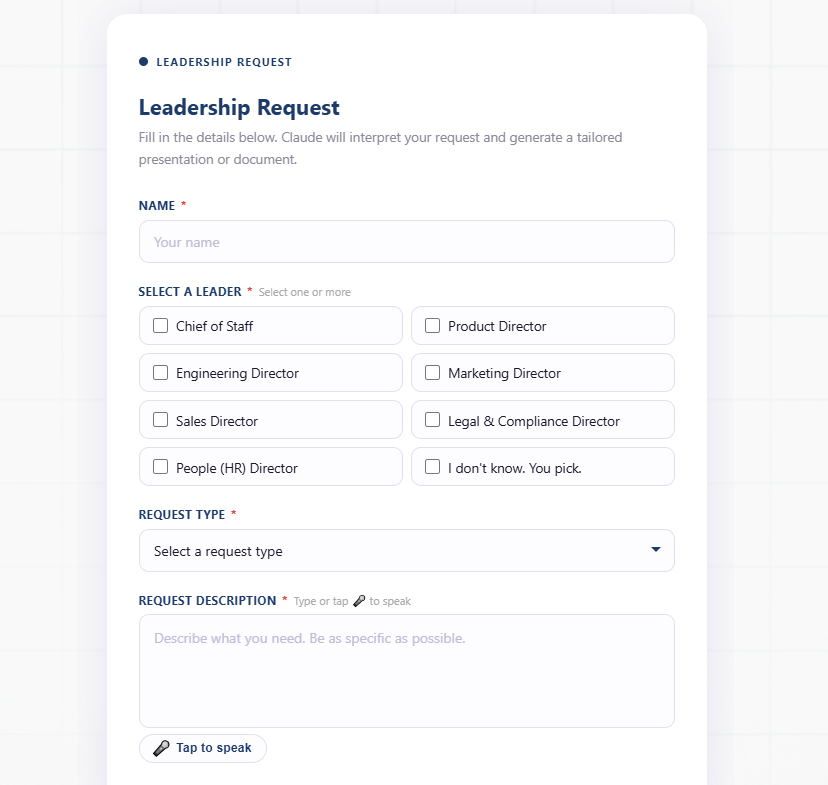
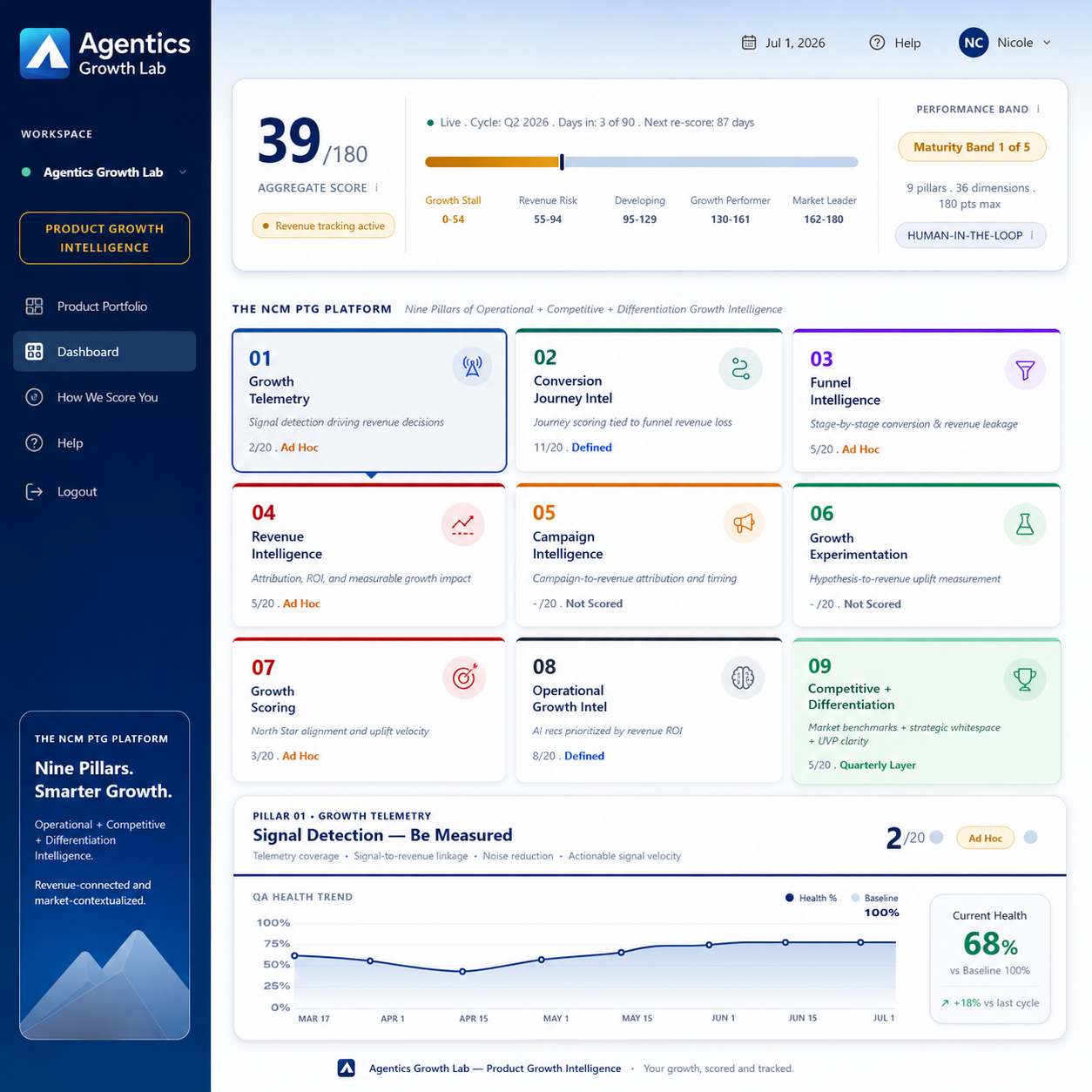
Small Services ➡ Big Outcomes
-
![]()
Local Business - Owner Level $25.00
Examples
Google Business Profile setup/cleanup
Photos added and organized
Business description
Services list
Hours verification
Contact information
Basic SEO observations
Favicon/logo cleanup
Website trust signals
AI search engine optimization
-
![]()
Local Business - Grow Level $50.00
Examples
Team photos
Owner bio
Truck photos
Before/after work examples
Customer testimonials
Case studies
Better website presentation
Mobile friendly
AI revenue intelligence
-
![]()
Local Business - Keep it Up Level $75.00
Examples
Google Workspace
Shared Drive
Appointment forms
Intake forms
Lead tracking
AI Intelligence engines



Meet Scout - CATCH ISSUES BEFORE WEBSITE CUSTOMERS DO
a Privacy-First, customer-facing quality control agentic assistant
Customer trust erodes when digital experiences break.
Checks site loading
Checks for broken links
Checks customer journey flows
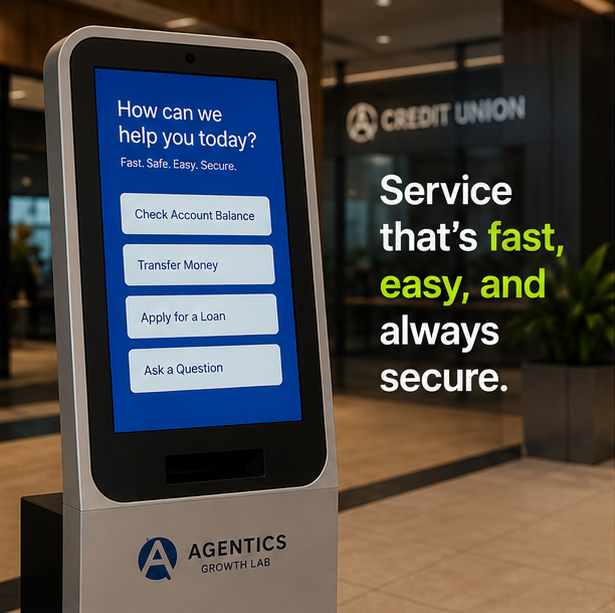
Meet Britney - REDUCE CUSTOMER FRICTION
a Privacy-First, customer-facing agentic assistant
Saturday lines don’t have to be this long
A privacy-first assistant that answers customers’ banking questions using public facing information instantly — reducing lines and improving member experience.
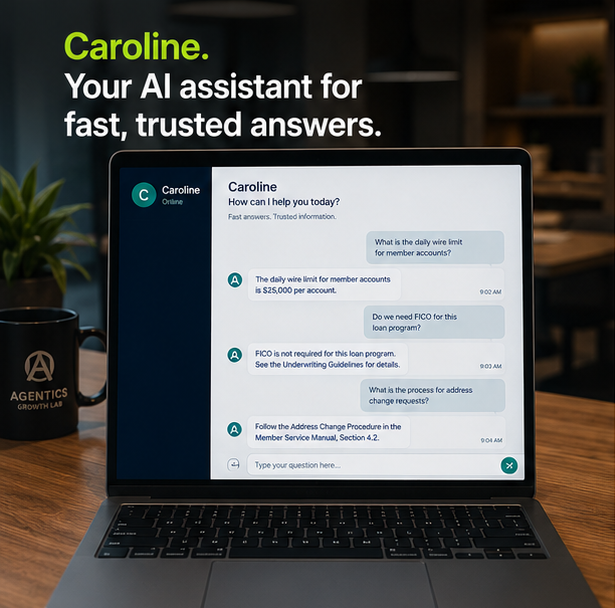
Meet Caroline - REDUCE INTERNAL FRICTION
a Privacy-First, internally-facing agentic assistant
Your best team members don’t have to drown in interruptions all day.
A privacy-first assistant that answers internal banking questions using approved public-facing information instantly — reducing interruptions and helping operations teams stay focused.
Reviews
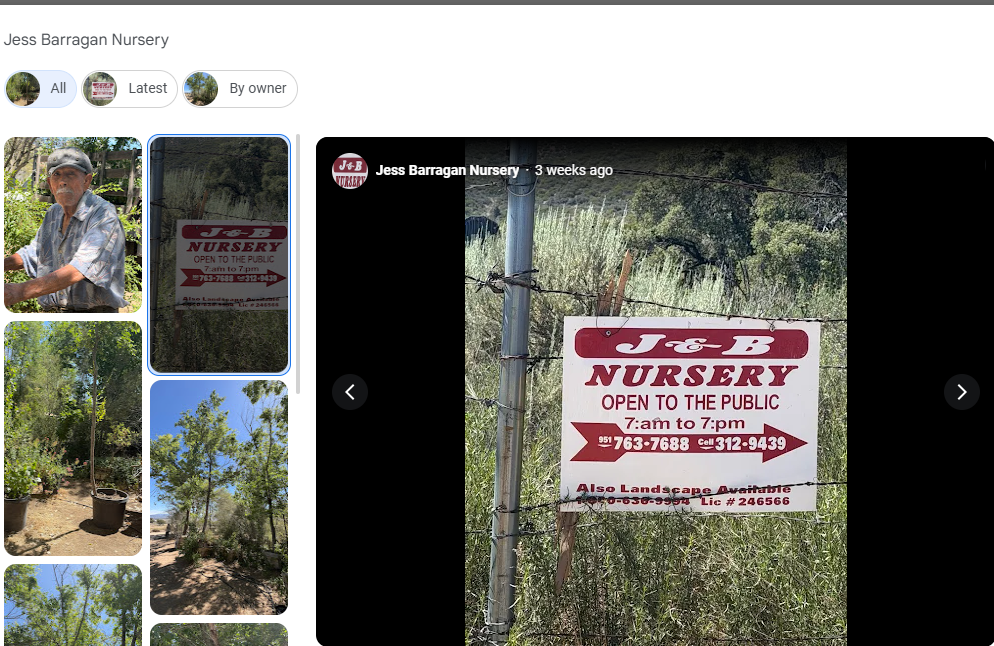

Have Questions? We have answers.
Organizations exploring AI adoption often have important questions around privacy, implementation strategy, operational workflows, and customer trust — especially in regulated industries.
Below are answers to some of the most common questions we receive about operational AI systems, digital banking workflows, and practical AI adoption strategies.
contact: Lab@AgenticsGrowthLab.com
-
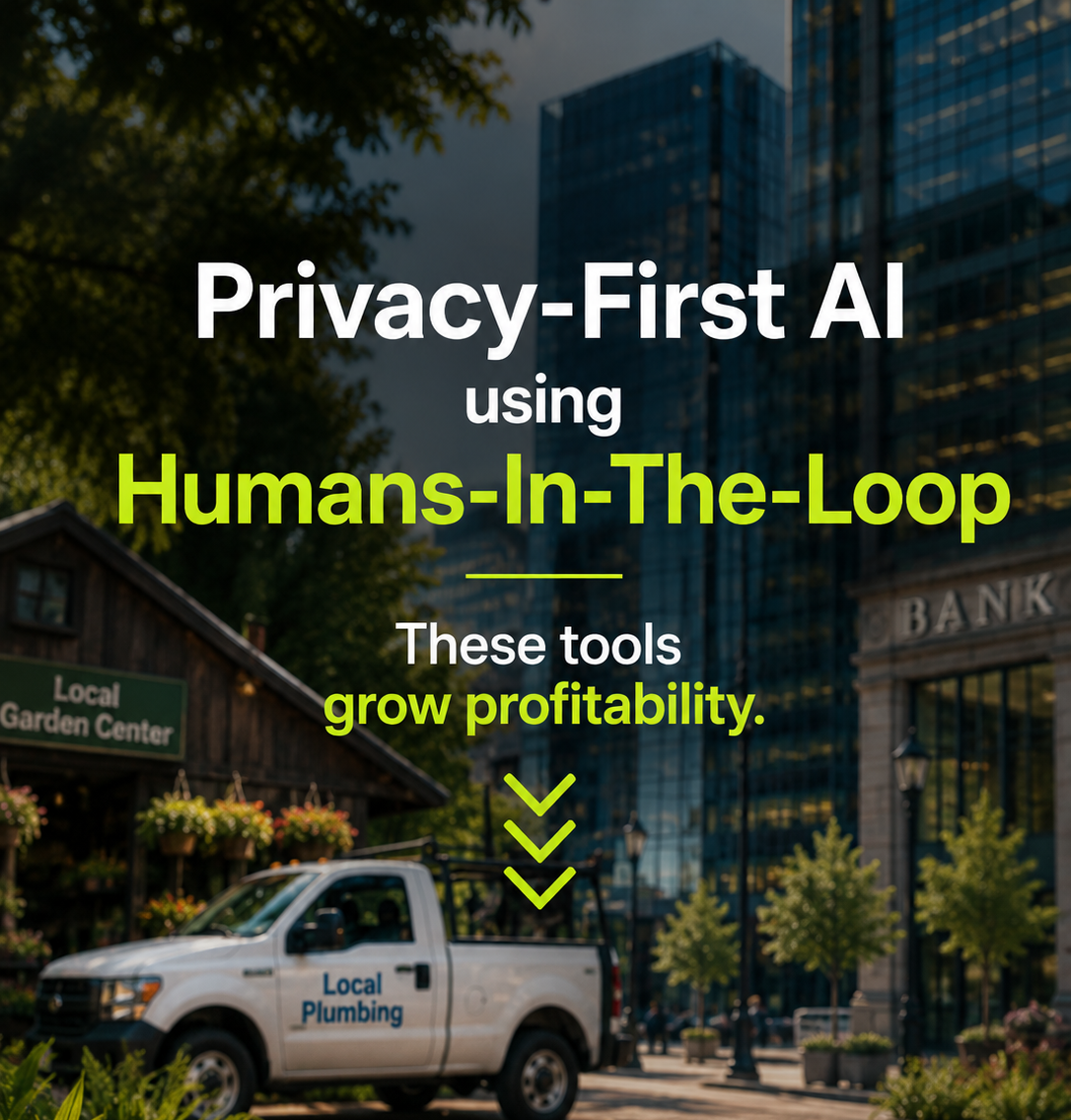
Agentics Growth Lab designs AI systems with a privacy-first approach, especially for regulated industries such as banking and financial services. Whenever possible, our solutions operate outside of core systems and avoid storing or processing sensitive customer data directly. We prioritize role-based access, minimal data exposure, human oversight, and secure workflow design principles to help organizations safely explore AI adoption without introducing unnecessary operational or compliance risk.
-
Organizations interested in exploring AI strategy, operational workflow optimization, or agentic AI solutions can connect with Agentics Growth Lab through the “Request a Strategy Session” button, our website contact form or LinkedIn presence. We work collaboratively with teams to understand operational pain points, identify practical AI opportunities, and discuss safe implementation approaches tailored to each organization’s environment and goals.
-
BetterPlanet is a mission-driven initiative connected to Agentics Growth Lab focused on using technology, creativity, and community-driven innovation to support human well-being, sustainability, professional development, and positive social impact. The mission emphasizes shifting attention away from fear-based digital experiences toward tools and systems that help people feel more empowered, connected, and supported.
-
Yes. Agentics Growth Lab explores AI-enabled operational assistants, customer experience systems, workflow optimization tools, and digital support experiences designed specifically for banking and financial services environments. Our work focuses heavily on privacy-conscious operational AI, customer experience improvement, and practical adoption strategies that align with the realities of regulated industries.
-
Organizations operating in compliance-heavy industries should carefully evaluate privacy controls, human oversight, explainability, data governance, operational risk, vendor architecture, and regulatory alignment before deploying AI systems. Successful AI adoption in regulated environments often begins with low-risk operational workflows and clear governance structures that prioritize customer trust and organizational transparency.
-
AI-driven systems can improve customer data protection by helping organizations identify operational risks earlier, automate monitoring workflows, reduce manual errors, and strengthen consistency across customer-facing experiences. Privacy-conscious AI architectures can also minimize unnecessary exposure to sensitive information by limiting system access, reducing redundant handling of customer data, and supporting more controlled operational processes.
-
Successful AI integration typically starts with identifying operational bottlenecks, repetitive manual tasks, or customer experience friction points where AI can provide measurable value. Organizations should begin with focused use cases, maintain human oversight, define clear success metrics, and prioritize workflows that complement existing teams rather than disrupt them. Iterative experimentation and cross-functional collaboration are critical for sustainable AI adoption.
-
Organizations can begin implementing AI agents by first identifying operational areas where employees spend significant time on repetitive coordination, information gathering, workflow routing, or customer support tasks. AI agents are often most effective when introduced gradually within controlled operational environments, allowing teams to measure efficiency improvements, validate accuracy, and build internal trust before expanding usage across larger systems.
-
The right AI strategy depends on an organization’s operational maturity, customer needs, compliance requirements, technical infrastructure, and business priorities. Rather than pursuing AI for trend purposes alone, organizations should focus on practical use cases that create measurable operational or customer value. Effective AI strategies are typically iterative, aligned with business objectives, and grounded in realistic implementation planning rather than large-scale disruption.

How we Work
We approach AI systems like living products — observed, tested, refined, and improved over time.
Every concept inside the lab is treated as an ongoing experiment focused on practical outcomes, operational clarity, and real-world feedback.
Inspired by continuous improvement systems used in product, operations, and scientific research.